

Introduction
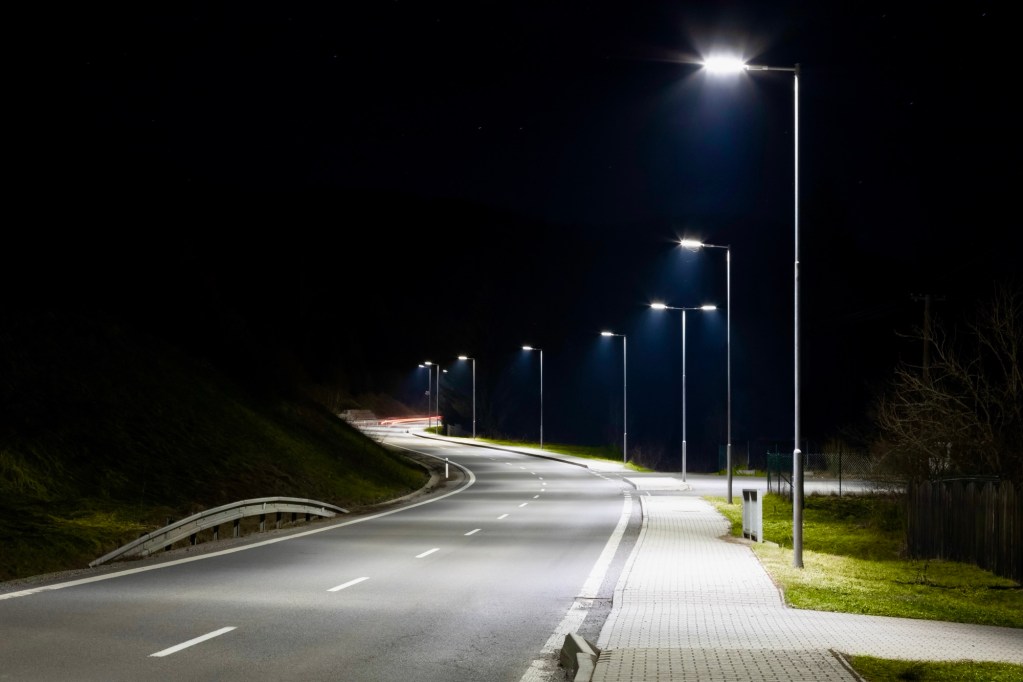
Streetlights are among the most visible assets owned or managed by a municipality or electric utility. They line every major road, subdivision, industrial area, park, and downtown corridor. For decades, however, streetlights were mostly passive assets. They turned on at dusk, turned off at dawn, and waited for a customer, field crew, or patrol vehicle to report a failure. Itron’s Streetlight RF Canopy changes that operating model by transforming lighting infrastructure into a connected, intelligent, and managed network.
What Streetlight Essentials Includes
Itron Streetlight Essentials is built around four main components. The first is the CityEdge Platform, a hosted central management system used for lighting management, asset control, analytics, reporting, and operational visibility. The second is Itron Network Services, which provides hosted and managed IoT network connectivity. The third is the Itron CityEdge Networked Lighting Controller, commonly called an NLC, which replaces the legacy photo controller on the streetlight fixture. The fourth is CityEdge:Go, a mobile tool used by field crews for deployment, lifecycle management, and analytics.
Together, these components create a practical end to end system. A legacy photocell is replaced with a networked lighting controller. That controller communicates over Itron’s industrial IoT network. The CityEdge Platform then gives the utility or municipality the ability to monitor, control, analyze, and report on the lighting system from a central software environment. Field teams use CityEdge:Go to commission devices, validate installations, and support maintenance activity in the field.
The Value of Streetlight Automation
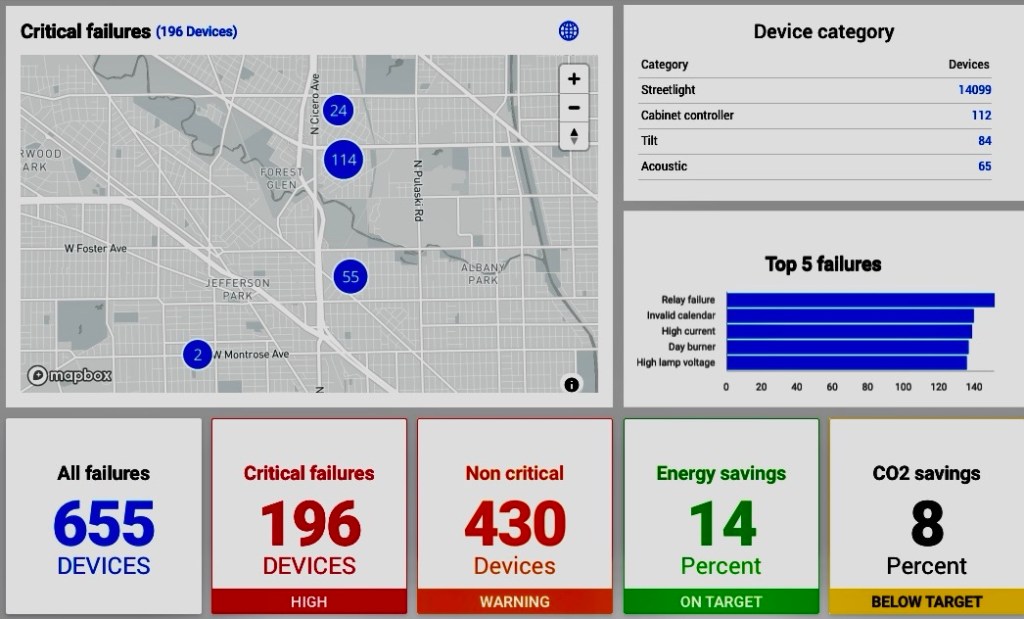
The value proposition begins with operational control. A utility no longer needs to rely only on night patrols, customer complaints, or manual inspections to know which lamps have failed. Connected lighting can report outages, abnormal operating conditions, communication problems, and asset location issues. This reduces truck rolls, improves response time, and creates a more accurate asset database.
Energy management is another major benefit. Streetlights can be scheduled, dimmed, grouped, and adjusted based on policy, location, time of night, traffic patterns, safety requirements, or special events. Rather than treating every streetlight the same way, a city can manage lighting as a dynamic infrastructure system. This can reduce energy consumption while still maintaining public safety, roadway visibility, and community expectations.
Automation also improves accountability. A connected lighting system can produce reports on failures, repairs, energy use, carbon reduction, and service performance. This matters because streetlighting is often shared between municipalities, utilities, contractors, and public works departments. Better data reduces disagreement and supports better planning.
The Streetlight RF Canopy as Infrastructure
The deeper strategic value is the RF canopy itself. Streetlights are naturally distributed across a service territory. They are elevated, powered, and positioned where people, vehicles, buildings, and utility assets already exist. By networking these locations, Itron creates more than a lighting control system. It creates a communications canopy that can support future smart city and smart utility applications.
This canopy can become a foundation for sensors, grid awareness, environmental monitoring, traffic applications, public safety use cases, and other connected infrastructure. The streetlight becomes a powered communications point in a broader municipal network.

Linking Smart Meters to the Canopy
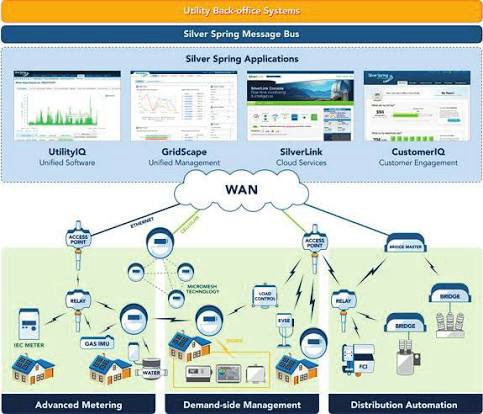
The connection to smart meters is important. Itron’s broader utility architecture is built around the idea that meters, sensors, controls, and software can operate through secure networks and shared data platforms. When smart streetlights and smart meters are linked into a coordinated network strategy, a utility gains broader situational awareness.
Smart meters provide consumption, voltage, outage, restoration, and interval data. Smart streetlights provide lighting status, power supply information, asset location, and local network coverage. Together, they help utilities understand what is happening at the edge of the grid. For electric utilities, this can support outage verification, power quality analysis, distribution planning, and improved customer service. For municipalities, it can support better capital planning, lower operating costs, and more intelligent infrastructure management.
Summary
Itron’s Streetlight RF Canopy should not be viewed only as a way to turn lights on and off. It is an automation platform, an asset management tool, an energy efficiency measure, and a communications foundation. Streetlight Essentials packages the essential elements of software, managed network services, networked lighting controllers, and mobile deployment tools into a complete operating model. When connected streetlights are combined with smart meters, the value expands from lighting management to grid intelligence and smart city readiness. The result is a more efficient, visible, data driven, and future ready utility infrastructure.